How to Dispose of Old Kitchen Knives Safely
Old kitchen knives can be awkward—and even dangerous—to get rid of. If you’re unsure how to dispose of them without risking a cut or leaving a hazard for someone else, you’re not alone. This roundup will help you find safer ways to handle old kitchen knives.
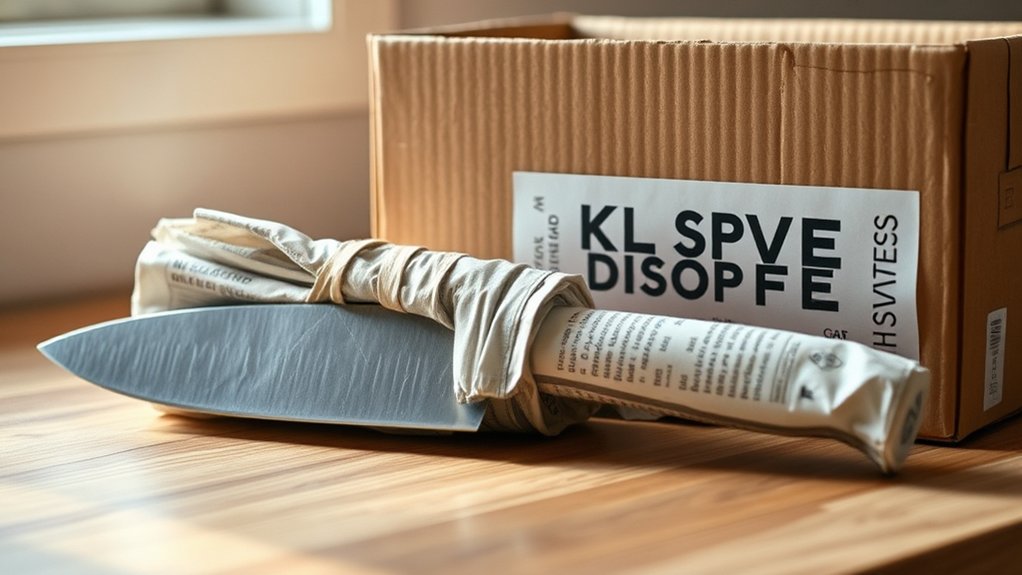
To dispose of old kitchen knives safely, you should clean and dry them, then wrap each blade separately in thick cardboard, heavy paper, or several layers of newspaper. Tape the wrapping securely and label it “Sharp” so no one gets hurt.
Follow your local trash, recycling, or hazardous waste rules, and never leave loose knives in bins. If you keep going, you’ll pick up a few smarter ways to handle them too.
Key Takeaways
- Clean and dry knives before disposal or donation to reduce rust and contamination.
- Wrap each knife separately in cardboard, newspaper, or heavy paper, and tape securely over the blade.
- Label the package clearly with warnings like “Sharp” or “Knife Inside.”
- Follow local waste, recycling, or hazardous disposal rules, and call ahead if unsure.
- Keep knives out of loose trash and away from children, pets, and trash handlers.
Why Old Kitchen Knives Need Safe Disposal
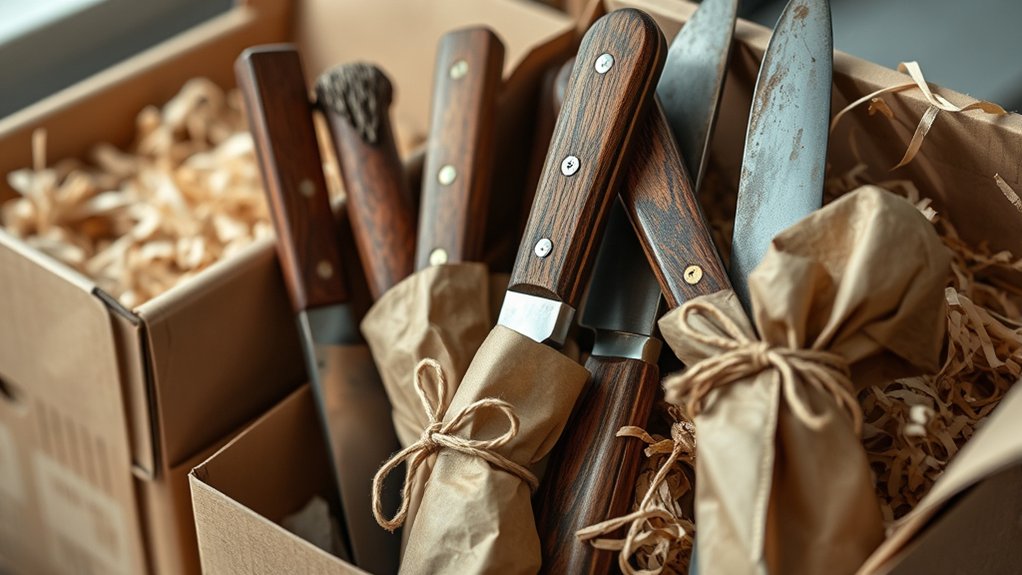
Old kitchen knives need safe disposal because even dull blades can still cut you, a garbage worker, or anyone sorting through trash or recycling. You protect kitchen safety when you treat worn blades as sharp hazards, not harmless scraps.
A chipped tip can snag a bag, and a loose knife can slide through cardboard, plastic, or fabric. If you store them in a drawer, they can cut you while you reach for another tool.
Knife maintenance helps you spot damage early, but once a knife bends, rusts, or loses its edge badly, it’s time to retire it. Safe disposal also keeps children and pets from grabbing exposed metal.
Can You Donate Old Kitchen Knives?
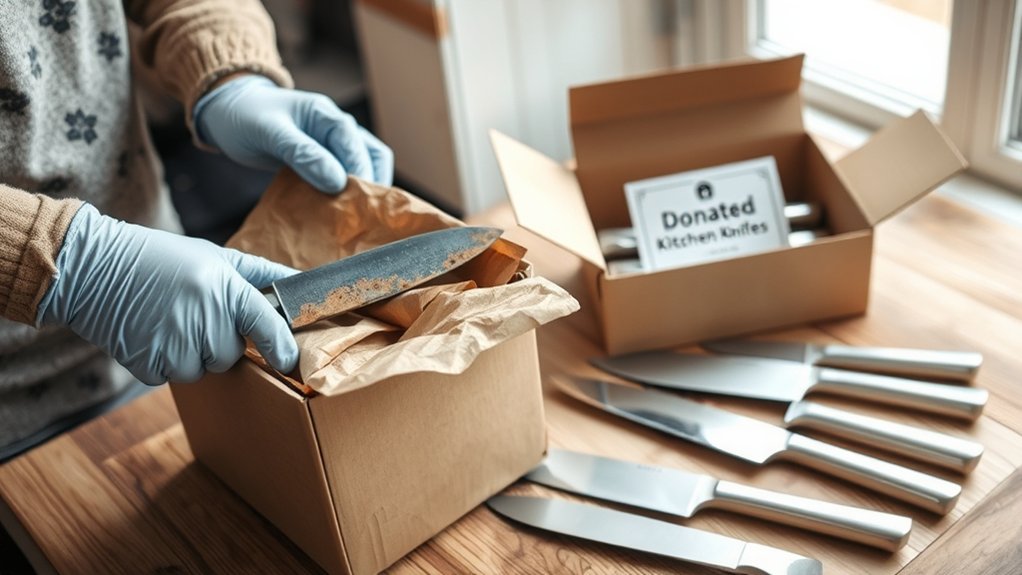
Yes, you can donate old kitchen knives, but first check that the organization accepts them and ask about its safety requirements. Before dropping them off, clean the knives, wrap the blades securely, and place them in a sturdy box. A quick call to a local thrift store, shelter, or culinary school can help you find the right place.
Donation Safety Rules
Donating kitchen knives can be a safe option, but only if they’re still usable and you follow the rules of the receiving organization. Check that the blades aren’t cracked, deeply rusted, or loose in the handle, because unsafe knives can injure someone.
If you’ve kept up with kitchen knife maintenance, the set may still have value. Before donating, clean and dry each knife, then make sure the edges are only as sharp as needed for normal use. Avoid experimenting with knife sharpening techniques that leave chips or uneven edges.
Wrap each blade securely in cardboard or heavy paper so no one gets cut during handling. Remove personal storage cases if they’re damaged, and label the package clearly. Always confirm the donation policy first, since some groups won’t accept sharp items.
Accepted Donation Centers
Some donation centers will accept kitchen knives, but policies vary widely, so call ahead before you drop anything off. You can often donate usable knives to thrift stores, community kitchens, culinary schools, or shelters that run kitchen programs.
Ask whether they accept sharp tools and whether they partner with kitchen knife sharpening services, since a donated blade should function safely and support culinary safety. If a center declines knives, don’t insist; you’ll save staff time and avoid risk.
You can also check local nonprofit resale shops, church pantries, and refugee support groups, which may welcome durable cookware. Choose centers that serve people who’ll actually use them, and make sure the organization can legally accept them.
When in doubt, ask for their written donation policy first.
Prep Before Donating
Before you hand over old kitchen knives, prep them so they’re safe to handle and easy for the receiving organization to assess. Clean each blade with soap and warm water, then dry it fully to prevent rust.
Wrap every knife in cardboard or thick paper and secure it with tape so no edge is exposed. If a handle is loose, note that clearly.
You don’t need to sharpen dull blades unless the charity asks. Many groups prefer to decide whether knife sharpening techniques are needed after inspection.
If you know the set’s kitchen knife history, include it, especially age, brand, and any damage. Pack knives in a sturdy box, label it clearly, and confirm the center accepts cutlery before you drop it off.
How to Wrap Kitchen Knives Before Disposal
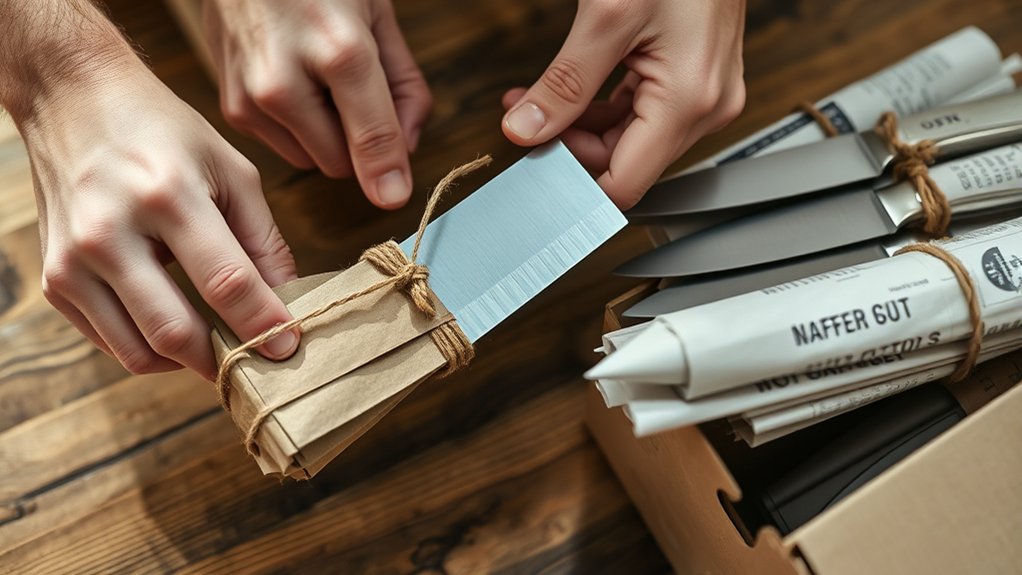
Before disposing of old kitchen knives, wrap each one in sturdy material, such as thick cardboard, heavy paper, or several layers of newspaper. Then tape the wrapping securely around the blade so the edges can’t slip through. This helps prevent injuries while you handle and discard the knives.
Choose Protective Wrapping
Choose protective wrapping that keeps the blade fully covered and prevents it from shifting through the trash. You can use thick cardboard, folded newspaper, or a rigid sleeve to create protective padding around the knife. Wrap the handle separately if it helps you grip it safely, then tape the package so it stays closed.
If you’re discarding several knives, keep each one wrapped on its own so they don’t rub together. Add clear safety labels like “Sharp” or “Knife Inside” so anyone handling the bag notices the hazard immediately.
Place the wrapped knife in a sturdy container before disposal, and make sure it fits snugly without room to move. This simple step reduces risk and helps you dispose of the knife responsibly.
Secure Blade Edges
To secure a knife’s blade edges, wrap the sharp sides first with several layers of thick paper, cardboard, or heavy cloth so they can’t cut through the covering. You should tape each wrap tightly, then cover the entire blade again for extra protection.
If you have multiple knives, keep each one separate so the edges don’t knock together and break through. Label the bundle clearly and place it in a rigid box or container before disposal.
This simple step supports safe blade maintenance habits and mirrors basic safety training practices: never leave exposed metal where someone can grab it. Before you seal the package, check for gaps, loose tape, or sharp points that might poke out, then reinforce them right away.
Use Knife Sheaths or Blade Guards
Slip a sheath or blade guard over each knife before you move it or toss it out. You protect your hands, your trash bin, and anyone who touches the knife later.
If you’ve kept the blade from knife storage or just finished blade sharpening, the edge can still cut hard. A snug guard keeps that danger contained and makes handling calmer.
| Guard choice | Why it helps |
|---|---|
| Cardboard wrap | Cheap, quick, and better than bare steel |
| Plastic sheath | Stays tight and resists slipping |
| Blade guard | Gives sturdy protection for sharp tips |
Use tape only after the cover is on, and check that the tip can’t punch through. If you’re sorting several knives, label each one so you don’t grab the wrong edge.
Taking a moment now saves panic, cuts, and regret. Keep them covered until final disposal.
How to Throw Away Kitchen Knives Safely
Before throwing away kitchen knives, wrap each blade in several layers of newspaper or cardboard, then secure the package with tape. Make sure no sharp edges can poke through, and label the bundle “Sharp—Handle with Care.”
Next, check your local disposal guidelines. Some areas allow wrapped knives in a designated trash container, while others require drop-off at a household hazardous waste facility.
Wrap Blade Securely
Wrap the blade securely
Wrap the blade securely before you throw the knife away so it can’t cut through the trash bag or injure anyone handling it. Slide the edge into cardboard, then tape it tight with packing tape. You can also use several layers of newspaper or a thick cloth, especially if the knife still feels sharp after knife sharpening.
This simple step supports kitchen safety and keeps the blade from slipping.
| Material | Use |
|---|---|
| Cardboard | Stiffen and cover the edge |
| Newspaper | Add soft padding |
| Tape | Hold wrapping in place |
| Cloth | Provide extra protection |
Make sure the wrap fits snugly and covers the full blade, not just the tip. Before tossing it, check that nothing pokes through.
Label Sharp Waste
After you secure the blade, label the package clearly as sharp waste so no one mistakes it for ordinary trash. Use a bold marker and write “sharp objects” on the outside, or add a simple warning symbol if your bin rules allow it.
This step supports kitchen safety by alerting anyone who handles the package before it reaches disposal. Keep the label easy to read from a distance, and place it where tape won’t cover it.
If you’re discarding several knives, mark each bundle the same way so nothing gets overlooked. Clear labeling helps prevent cuts, confusion, and careless handling.
You’re not just marking a box; you’re warning others to treat the contents with caution and respect.
Use Proper Disposal
Once the knives are secured and labeled, place them in the disposal method your local rules require, whether that’s a designated sharp-waste container, a recycling drop-off, or regular trash if allowed.
If your area accepts metal recycling, separate the blades from any plastic handles only when the facility says you should. Don’t leave knives loose in bins, curbside carts, or public trash areas where someone could get cut.
If you’re unsure, call your waste service or check municipal rules before you toss them. Keep them out of donation boxes unless they’re safe and usable.
Proper disposal protects sanitation workers, neighbors, and you, and it supports kitchen safety. If you’re replacing old blades after knife sharpening, dispose of damaged knives promptly so they won’t be reused by mistake.
Recycle Metal Kitchen Knives
If your kitchen knives are made of metal, recycling them is often the safest and most responsible way to part with them. Before you drop them off, wrap each blade in cardboard or thick tape so you don’t cut yourself or damage other materials.
Wrap each blade in cardboard or thick tape before recycling to prevent cuts and protect other materials.
Then check whether your local scrap metal recycler accepts stainless steel, carbon steel, or mixed-metal knives. Remove any plastic handles only if the facility asks for separation.
Good kitchen knife maintenance helps knives last longer, but when they’re dull, bent, or no longer needed, recycling metal keeps them out of the trash and puts valuable material back to use. Clean the blades first, since food residue can complicate processing.
If you’re unsure, call ahead and ask about accepted items and preparation steps. By recycling carefully, you reduce waste, handle sharp tools responsibly, and support a practical end-of-life option for your old knives.
Use a Local Transfer Station
A local transfer station can be a good option for disposing of old kitchen knives, especially if your area accepts sharp metal items there. Call ahead, and ask where you should drop them off so you can keep kitchen safety front and center. Wrap each knife in cardboard or thick newspaper, then tape it securely before you leave. That extra step helps protect you and the workers handling your load.
| Step | Why it matters |
|---|---|
| Check hours | Saves you a wasted trip |
| Ask about sharp metals | Confirms proper disposal |
| Label the bundle | Protects staff and drivers |
If your station recycles metal, you’ll also support smart recycling tips instead of sending usable material to the landfill. You can feel relieved knowing you handled the knives responsibly and reduced risk for everyone.
What to Do With Broken or Rusted Knives
Broken or rusted kitchen knives need extra care before you get rid of them, since damaged blades can be even more hazardous to handle. First, keep your fingers clear and wrap each blade in thick cardboard, tape, or several layers of newspaper before moving it.
If the knife is only lightly rusted, you can try knife sharpening or cleaning to see whether it’s still usable, but stop if the handle is cracked or the blade is bent. Don’t toss loose knives into a bin, where they can cut through bags or injure sanitation workers.
Instead, place the wrapped knife in a rigid container and label it clearly. If your local recycling or transfer station won’t accept it, follow their disposal rules exactly. You should also check whether a hardware store or metal scrap program takes damaged blades.
Keeping these steps in mind protects you and supports better kitchen safety.
Dispose of Serrated and Chef Knives Safely
Serrated and chef knives need the same careful handling as any other sharp blade, but their shape can make them even trickier to wrap and store. Before you toss one, check whether Knife sharpening can still restore it; if the blade is badly worn, dull beyond repair, or no longer worth keeping, disposal makes sense.
Slide the knife into a thick cardboard sleeve, wrap it tightly in newspaper, or tape it inside several layers of corrugated cardboard so the teeth and point can’t poke through. Label the package clearly as sharp and place it in your trash only when local rules allow.
If your area offers metal recycling, separate the knife from food waste and follow the facility’s instructions. Don’t leave it loose in a bin or donate a damaged blade. Careful disposal supports kitchen safety and keeps the next person from getting cut.
How to Avoid Injuries When Disposing of Knives
To avoid injuries when disposing of knives, treat every blade as if it can cut through wrapping or shift unexpectedly. Wear thick gloves, keep the edge pointed away from your body, and never reach into a bag or bin by feel.
Wrap each knife in cardboard or thick newspaper, then tape it securely so the point can’t break through. If you’re discarding several blades, separate them so they don’t knock together.
Good kitchen safety also means labeling the package clearly and placing it where children and pets can’t touch it. If your area offers blade recycling or collection, use it. Avoid testing dull knives; knife sharpening isn’t the time to handle a blade carelessly.
| Step | Why it matters | Result |
|---|---|---|
| Wrap securely | Stops punctures | Safer handling |
| Label clearly | Warns others | Fewer accidents |
| Dispose properly | Limits contact | Better kitchen safety |
Frequently Asked Questions
Can Old Kitchen Knives Be Repurposed for Non-Cooking Tasks?
Yes, you can repurpose old kitchen knives for non-cooking tasks if you handle them carefully. You might use them for opening packages, scraping labels, or light gardening, but first check the blade and clean it. If it’s dull, consider knife sharpening before reuse.
Store it separately from other tools with smart knife storage solutions to avoid accidents. When a knife becomes unsafe, retire it instead of forcing another job.
Are Ceramic Kitchen Knives Disposed of Differently Than Metal Ones?
Yes—you do handle ceramic knives a bit differently than metal ones. Ceramic blades can’t usually join Metal recycling, so you’ll often wrap them securely and place them in the trash or check local Ceramic disposal rules. Metal knives, though, may go to Metal recycling if your facility accepts them. Like different roads in a maze, each blade needs its own route, and you should protect anyone handling the waste.
Should Knife Handles Be Removed Before Recycling?
Yes, you should remove knife handles before recycling if your local program asks for it, because knife handle removal can make sorting easier and safer. You’ll need to check recycling safety guidelines first, since some handles contain mixed materials that recyclers can’t process. If the handle won’t come off cleanly, don’t force it; instead, wrap the knife securely and follow your facility’s disposal instructions to protect yourself and workers.
Can I Dispose of Knives With Regular Household Trash?
No, you shouldn’t toss knives straight into regular household trash. Like a hidden thorn, a loose blade can hurt anyone who handles the bag.
For disposal safety, wrap each knife in cardboard or thick newspaper, then tape it closed before you bin it. If possible, check local rules first.
If the knife still works, knife sharpening might extend its life and delay disposal altogether.
What Should I Do if a Knife Cuts My Disposal Bag?
Wrap the knife again right away, then slide it into a thicker box or hard container. Don’t reach into the bag; use gloves, tongs, or pliers if you need to handle it. Tape the blade securely and label it “sharp.” These Knife safety and Disposal tips help you avoid cuts and protect anyone handling the trash. If the bag’s torn, double-bag the waste and keep it upright until pickup.
Conclusion
When you’re ready to retire old kitchen knives, remember to respect the risk. Wrap each blade well, use sheaths or sturdy guards, and toss them only where they can’t slash or snag.
If they’re still sharp, see if they can be safely donated. If they’re rusted or broken, dispose of them carefully.
By taking these simple, smart steps, you’ll stop slips, safeguard workers, and stay safe yourself when disposing of old kitchen knives.