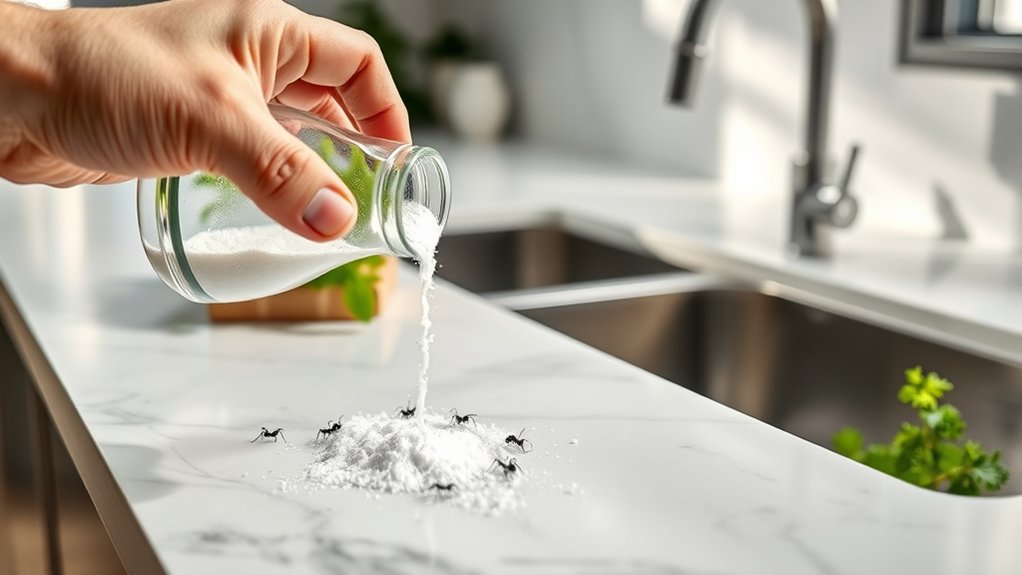
How to Get Rid of Kitchen Ants Fast
Kitchen ants can turn a clean, comfortable space into a frustrating mess, especially when they keep returning after you wipe them away. If you’re wondering how to get rid of kitchen ants fast, you’re not alone—many people struggle to stop the trails and find a solution that works.
To get rid of kitchen ants fast, wipe up crumbs, spills, and sticky spots, then clean trails with soapy water or vinegar to erase their scent paths. Store food in sealed containers, take out trash, and fix leaks or standing water so they lose food and moisture.
Place ant bait near active trails so workers carry it back to the colony. Seal cracks and gaps, and if ants keep coming back, you’ve got a few more smart options to try.
Key Takeaways
- Clean up crumbs, spills, and trash immediately, and wipe ant trails with soapy water or vinegar.
- Remove food and water sources by storing food sealed, drying sinks, and fixing leaks.
- Place slow-acting bait near ant trails so workers carry poison back to the colony.
- Seal cracks, gaps, and entry points around windows, doors, pipes, and baseboards.
- Call pest control if ants keep returning, spread between rooms, or form large trails.
Get Rid of Kitchen Ants Fast
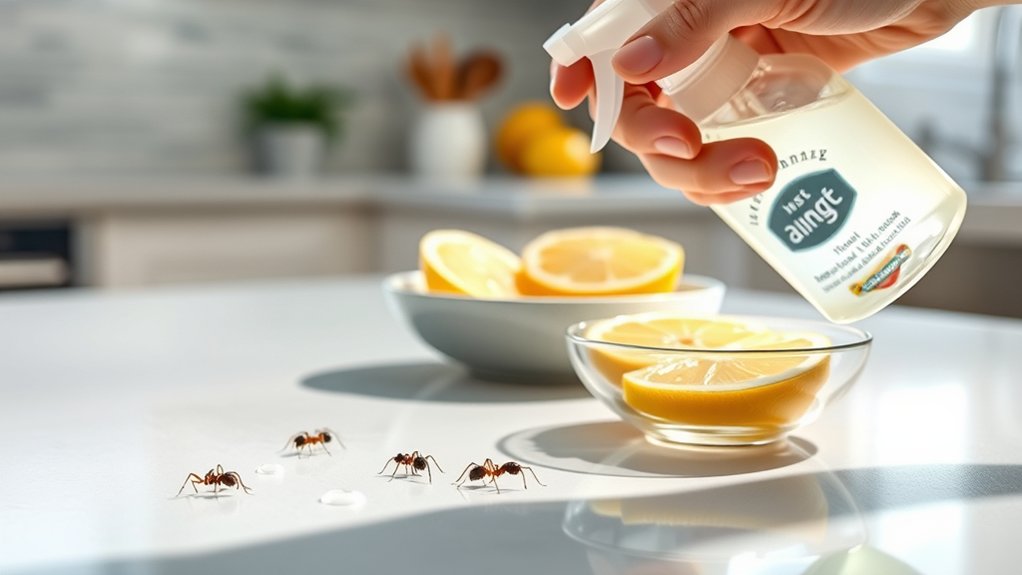
If you need to get rid of kitchen ants fast, start by wiping up every crumb, spill, and sticky spot they can find. Then vacuum baseboards, sweep corners, and empty the trash so you remove the trail they follow.
Next, block entry points with caulk, weatherstripping, or tape around gaps near sinks, windows, and pipes. Mix a simple cleaner or vinegar solution and wipe the counters, floors, and cabinet edges to erase scent marks.
For better results, do quick ant species identification; different ants respond to different bait types, so knowing what you’re facing helps you act faster. You can also use natural repellents like peppermint oil, cinnamon, or citrus peels near trails and cracks.
Keep pet food sealed, rinse dishes right away, and dry the sink each night. If ants keep returning, place bait stations where you see them most and wait for the colony to carry the bait home.
Find What’s Attracting Kitchen Ants
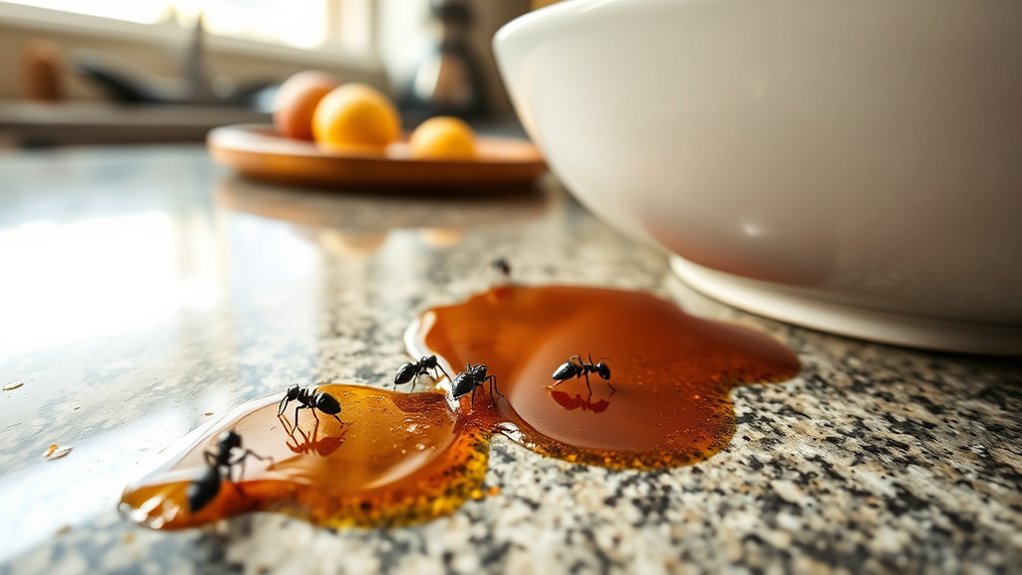
Before you can kick kitchen ants out for good, you’ve got to find what’s drawing them in. Start by checking counters, sinks, pet bowls, fruit, and trash for easy food access. Different ants want different things, so ant species identification can help you narrow the source. Sugar ants usually chase sweets, while grease ants may target oily spills or crumbs near appliances.
You should also look for moisture. Leaky pipes, damp sponges, and standing water can make your kitchen a perfect stopover. If you store food in open packages or leave snacks out overnight, ants will notice fast. Keep an eye on indoor plants, compost bins, and recycling containers, too, because they can attract scouts. Once you know the trigger, you can target the problem more effectively and use Natural repellents where they’ll do the most good.
Clean Up Ant Trails and Food Crumbs
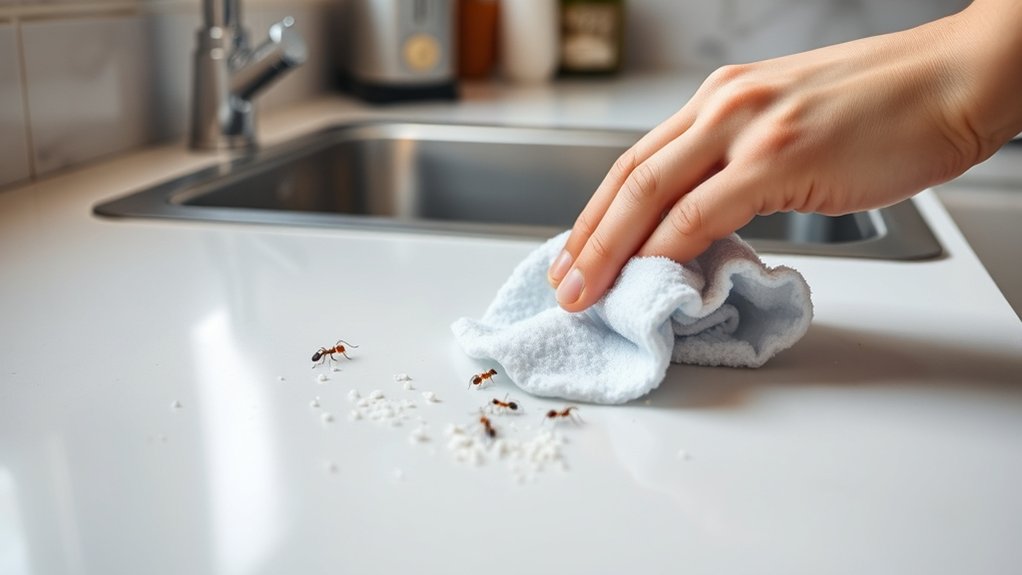
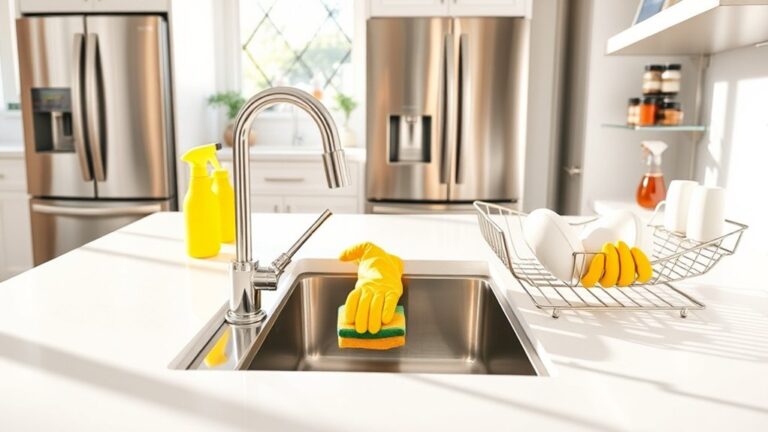
Once you spot where ants are traveling, wipe out their trails and any crumbs they can reach. Use warm soapy water or a vinegar solution to scrub counters, backsplashes, floors, and cabinet edges, then dry the area well. You’re removing the scent marks they use to follow one another, which helps break the line fast.
Check the whole kitchen, not just the obvious spot: under appliances, inside drawers, around trash cans, and along window frames. Sweep or vacuum crumbs daily, and rinse sticky jars, pet bowls, and recycling containers before you set them out.
If you’re doing ant species identification, note where the trail starts and what size or color the ants are, since that can help you respond more effectively. Keep surfaces clear and sealed, and use Natural deterrent options like peppermint oil or citrus wipes on entry points. Consistent cleaning makes your kitchen far less inviting and helps stop repeat visits.
Set Ant Bait for the Colony
Place a slow-acting ant bait near active trails or entry points. Worker ants can carry it back to the colony, helping you target the nest—not just the ants you can see.
Choose Slow-Acting Bait
Choose a slow-acting ant bait so workers have time to carry it back to the colony and share it with the queen and larvae. You’ll get better results with gels or stations that use a delayed toxin rather than a fast spray.
Pick bait that matches what the ants are already eating, since sweet and protein baits attract different species. If you’ve tried Natural repellents or DIY traps, don’t rely on them alone; they may deter a few ants, but they won’t wipe out the nest.
Keep bait fresh, follow the label, and replace it if it dries out or loses appeal. Give the ants time to feed, leave, and return, because patience helps the colony collapse from the inside without spreading the infestation.
Place Near Ant Trails
Place the bait right where you see the ants traveling, because workers follow scent trails and are most likely to find it there. Put small bait stations along walls, under cabinets, and near entry points, but keep them just off the main path so ants can reach them without hesitation.
You’re aiming to intercept the colony before they spread deeper into your kitchen. Avoid spraying cleaners nearby, since that can wipe out ant trail markers and cause trail disruption, making ants reroute and ignore the bait.
Check the spots daily and replace dried or emptied bait so the colony keeps feeding. If you place it well, foragers will carry it back to the nest, and the slow-acting bait can reduce the whole infestation fast.
Use Vinegar to Disrupt Ant Trails
Mix equal parts vinegar and water, then wipe down the paths ants use in your kitchen. This helps disrupt their scent trails. Reapply after cleaning to help keep ants from returning.
Vinegar Trail Removal
If ants keep marching across your counters, vinegar can help break the scent trails they use to find food. Spray white vinegar along baseboards, windowsills, and any route they use, then wipe the area clean.
You’ll remove the chemical signals that guide more ants inside, and you can repeat the treatment daily until activity drops. This method works well with other natural repellents, especially when you’re focusing on seasonal prevention and keeping crumbs, spills, and pet food sealed away.
For best results, clean the trail soon after you spot it, because fresh scent lines attract more scouts. Vinegar won’t kill the colony, but it can make your kitchen far less appealing and help you slow the invasion quickly.
Equal Parts Solution
For a simple vinegar spray, mix equal parts white vinegar and water in a spray bottle and shake well before use. Spray it directly on ant paths, entry points, and any spots where you’ve seen scouts moving.
The vinegar smell masks the scent trails ants use to navigate, so they can’t easily follow their route back to food. This makes it one of the most practical natural deterrents for quick kitchen control.
If you’re unsure which ants you’re dealing with, ant species identification can help you understand how persistent they may be and where they nest.
Wipe away crumbs, spills, and residue first, then treat the area with the solution to interrupt their movement and discourage more ants from returning to the same spot.
Reapply After Cleaning
After wiping up crumbs and spills, spray the vinegar solution again to break up any fresh scent trails the ants may have left behind. You’ll need to stay consistent, because ants can quickly find a new path back to food.
Wipe counters, baseboards, and cabinet edges, then let the area dry before you move on. Use natural repellents like vinegar, lemon, or peppermint near entry points to keep them guessing.
If you’ve already set out product, reapply bait only after cleaning so you don’t wash away the attractant.
- Target spots ants touched most.
- Refresh sprays after each cleanup.
- Check daily for new activity.
Block Entry Points Around the Kitchen
Inspect your kitchen carefully and seal the gaps ants use to get inside. Check along baseboards, window frames, door thresholds, backsplash edges, and pipe openings for tiny entry points. Use caulk, weatherstripping, or fine mesh to close them, and focus on sealing gaps where walls meet counters or cabinets.
If you spot cracked tiles or loose trim, repair them quickly so ants can’t follow the same trail back in. Keep food in tight containers and wipe crumbs from surfaces, because even a small lure can draw pests to an opening you missed.
Trim back plant growth touching the exterior wall, since ants often use it as a bridge. After you block access, monitor those areas for fresh activity and reseal any new cracks right away. Consistent upkeep makes your kitchen far less inviting and helps stop recurring invasions before they spread.
Remove Standing Water and Moisture
Check your kitchen for moisture that may attract ants, such as drips under the sink or damp spots behind appliances. After using the sink, dry it and the counters to keep water from building up. And if you find a leak, fix it promptly so ants can’t rely on a steady water source.
Find Moisture Sources
Even a small puddle can keep kitchen ants coming back, so you’ll want to track down and remove every moisture source you can find. Use moisture detection to spot leaks, drips, and damp spots around your sink, fridge, and dishwasher. Check under appliances, behind the trash can, and near pet bowls.
Tighten loose fittings and fix any slow leaks right away to support water conservation and cut off ant access.
- Inspect pipes and supply lines for hidden seepage.
- Empty trays, mats, and containers that collect water.
- Ventilate humid areas so surfaces dry faster.
You should also notice condensation on windows or walls, since ants can exploit that too. When you eliminate moisture, you make your kitchen far less inviting and help stop ants from settling in.
Dry Sinks And Counters
After washing dishes or rinsing produce, dry your sinks and counters right away so ants don’t have a steady water source. Wipe basin edges, faucet bases, and drain areas with a clean towel, then clear crumbs and spills before they attract scouts.
Good Dry sink maintenance means you leave no puddles in the sink, on the counter, or under dish racks. Use Counter cleaning tips like wiping surfaces after each meal, ringing out sponges, and storing wet cloths in the laundry instead of on the counter.
Keep fruit and pet bowls dry too, since ants follow moisture as readily as food. When you make dryness part of your routine, you remove the comfort ants seek and make your kitchen far less appealing.
Fix Leaks Promptly
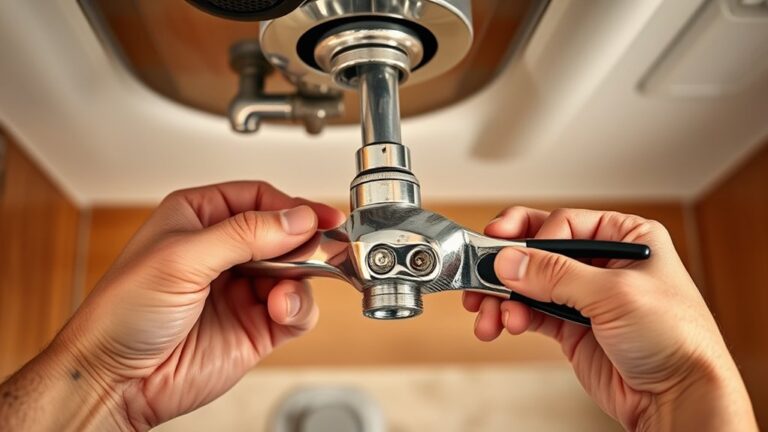
Fix any leaks under sinks, around faucets, and behind appliances as soon as you spot them, because even small drips can keep ants coming back for water. Dry puddles with a towel, then check cabinets and floor seams for hidden damp spots. Use kitchen organization habits to keep cleaning supplies, sponges, and pet bowls off wet surfaces.
- Tighten loose connections and replace worn washers right away.
- Empty sink strainers, wipe refrigerator drip trays, and fix slow drains.
- Borrow gardening tips: watch for moisture trails the same way you’d inspect soil, then correct the source fast.
When you remove standing water, you make your kitchen far less inviting. Ants need moisture to survive, so staying alert helps you stop infestations before they spread.
Keep Kitchen Ants From Returning
To keep kitchen ants from returning, you need to remove the conditions that attracted them in the first place. Wipe counters, sweep floors, and rinse dishes right away so crumbs and grease don’t build up. Store sugar, cereal, and pet food in sealed containers, and empty the trash before it overflows. You should also watch ant behavior so you can spot trails early and break their access routes. Clean with vinegar or soapy water to erase scent paths they leave behind.
Next, seal gaps around windows, baseboards, pipes, and doors with caulk or weatherstripping. Repair torn screens and keep exterior food sources, like compost or birdseed, away from the house. If you understand colony structure, you’ll know that stopping scouts from finding food helps limit the rest of the group. Stay consistent, because small lapses can bring ants right back into your kitchen.
When to Call a Pest Control Pro
If ants keep coming back even after you’ve cleaned, sealed entry points, and removed food sources, it may be time to call a pest control pro. You’ll save time when you’ve got a large trail, hidden nest, or recurring ants in several rooms. A pro can identify the ant species, target the colony, and spot problems you might miss.
- You notice ants despite repeated cleaning.
- You see winged ants, which may signal a bigger infestation.
- You want safer, faster pest prevention for your home.
Professional treatment can stop the cycle when store products don’t. Ask about inspection methods, baiting, and follow-up service so you know what to expect.
Professional treatment can stop the cycle when store products don’t. Ask about baiting and follow-up service.
If ants return after DIY efforts, don’t wait. The sooner you act, the easier it’ll be to protect your kitchen and avoid a larger infestation.
Keep Your Kitchen Ant-Free Year-Round
Staying ahead of ants is easier when you make prevention part of your routine. You can keep your kitchen protected by cleaning spills right away, sealing food in airtight containers, and wiping counters after every meal. Check for crumbs under appliances, around pet bowls, and inside cabinets, because ants follow even tiny traces of sugar or grease. Do regular Ant species identification so you know whether you’re dealing with sugar ants, pavement ants, or carpenter ants; each needs a slightly different approach.
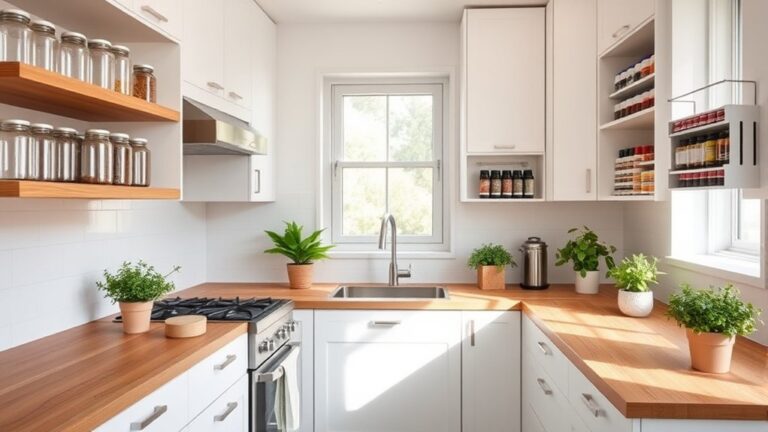
Seal cracks near windows, doors, and pipes before ants can enter. Fix leaks quickly, since moisture attracts them. Use natural repellents like vinegar, lemon juice, peppermint oil, or cinnamon along entry points to discourage scouting ants. Empty trash often and keep outdoor vegetation trimmed away from your home. If you stay consistent, you’ll create a kitchen that’s far less inviting all year long.
Frequently Asked Questions
How Long Does It Take for Ant Bait to Work?
Ant bait usually starts working within 24 to 72 hours, but you may need a week or more for the colony to collapse. You’ll see ant traffic drop as workers carry the bait back to the nest. Ant bait effectiveness depends on the species and placement, while Ant bait safety improves when you keep it away from kids and pets. Don’t spray nearby, or you’ll reduce the bait’s impact.
Are Kitchen Ants Dangerous to Humans or Pets?
Kitchen ants usually aren’t dangerous to you or your pets, but you shouldn’t ignore them. You may face bites, food contamination, or allergic reactions from some species.
Start with pest identification so you know what you’re dealing with, then focus on ant prevention to keep them out. Clean spills, seal food, and remove entry points.
If you notice stings, large nests, or rapid spread, call a pest professional quickly.
Can Ants Come Back After the Kitchen Is Cleaned?
Yes, ants can come back after you clean the kitchen if you don’t remove their trails and entry points. You’ll need Ant prevention steps like sealing cracks, storing food tightly, and wiping up crumbs fast.
Strong Pest control methods can help stop colonies from returning. If you only clean surfaces, ants may still track back inside for food, water, and shelter.
What Time of Day Are Ants Most Active Indoors?
Like tiny commuters, ants’re usually most active indoors during dawn and dusk, though you can spot them anytime food’s available. You’ll see stronger Indoor foraging when Ant behavior shifts with warmth, moisture, and scent trails.
Check kitchens in the early morning or evening, when they search fastest for crumbs, spills, and water. If you interrupt those peak times, you’ll catch more of their movement and block the next raid.
Should I Throw Away Food Found Near Ant Trails?
Yes, you should toss any food that’s touched ant trails or shows signs of contamination. For food safety, don’t take chances with crumbs, spills, or open packages near ants.
Clean the area right away, wipe away scent trails, and store food in sealed containers. Good pest prevention starts with removing access to food and water, so you’ll make your kitchen far less inviting to ants.
Conclusion
You can get rid of kitchen ants fast when you act quickly and stay consistent. Clean up crumbs, wipe away trails, remove water, and set bait so the colony follows it back home.
Use vinegar to throw them off, and seal up entry points to keep them out. Remember, an ounce of prevention is worth a pound of cure.
If ants keep coming back, call a pest control pro before the problem grows. This can help you get rid of kitchen ants fast and keep them from returning.