How to Start a Ghost Kitchen in 7 Essential Steps
Starting a ghost kitchen can feel overwhelming when you’re juggling permits, equipment, and delivery logistics. You’re not alone—many aspiring food business owners struggle to turn a great idea into a practical launch plan. These seven essential steps can help you get started with confidence.
To start a ghost kitchen, choose the right model, whether single-brand, multi-brand, or shared commissary. Then pick a location near dense neighborhoods and strong delivery demand. Set up reliable kitchen equipment, tech, and ordering systems, and build a menu that travels well and stays consistent.
Get the right licenses, permits, and insurance before you launch. Finally, promote with a soft opening, track performance, and refine your zones, menu, and marketing as orders grow and patterns emerge.
Key Takeaways
- Choose your ghost kitchen model, secure a permitted location, and set up essential kitchen equipment and tech.
- Design a delivery-friendly menu with dishes that travel well, maintain quality, and allow easy customization.
- Launch with a soft opening to test timing, packaging, order flow, and staff readiness before scaling.
- Promote through social media, delivery apps, and local ads while tracking performance metrics and customer feedback.
- Optimize delivery zones, monitor competitors and events, and refine operations to improve speed, margins, and repeat orders.
Choose Your Ghost Kitchen Model

Before you launch, choose the ghost kitchen model that fits your budget, space, and goals. You can run a single-brand kitchen, a multi-brand setup, or a shared commissary-style operation. Pick the model that matches your menu complexity, order volume, and delivery strategy.
Choose the ghost kitchen model that fits your budget, space, menu complexity, and delivery goals.
If you want tight control, a single brand keeps operations simple. If you want faster growth, multiple brands let you test demand without adding a full dining room. Shared kitchens can lower startup costs, but you’ll need clear systems for scheduling, ingredient sourcing, and cleanup.
Think through staff training early, because every model depends on fast execution and consistency. You’ll need to teach prep standards, packaging, order accuracy, and handoff procedures.
Also, check whether your model supports your tech stack, storage needs, and labor plan. The right choice helps you protect margins, streamline workflow, and scale with less risk from the start.
Find the Right Ghost Kitchen Location
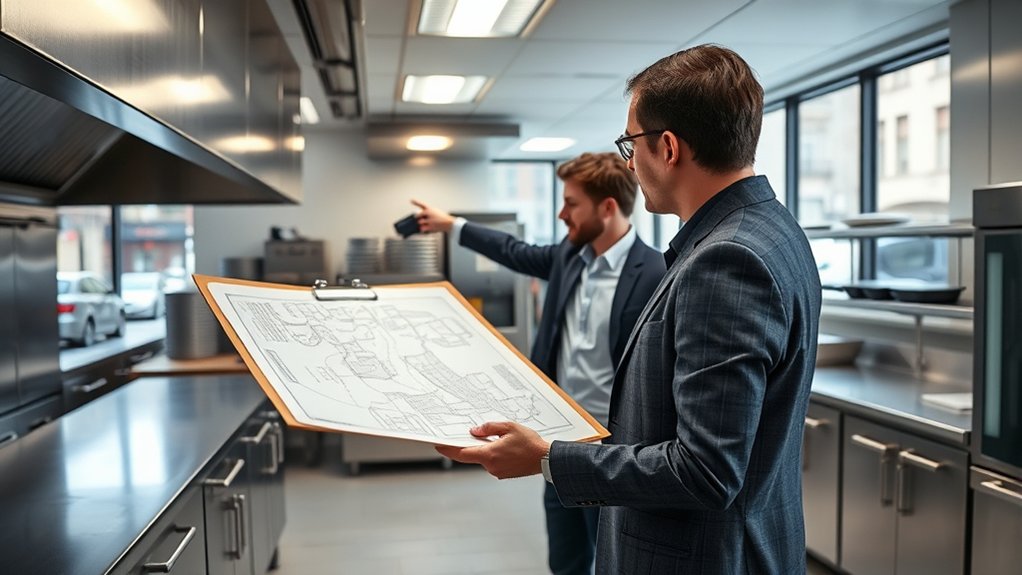
The right ghost kitchen location can make or break your delivery times, overhead, and local reach. You should pick a site that sits near dense neighborhoods, major roads, and your best delivery demand. Start with competitor analysis to see where similar brands cluster, then look for gaps you can serve faster. Check local zoning early so you don’t waste time on spaces that can’t support food operations.
| Factor | What to Check | Why It Matters |
|---|---|---|
| Delivery radius | 3-5 mile coverage | Faster drops |
| Rent | Monthly cost | Protects margins |
| Access | Parking/loading | Smooth pickups |
| Zoning | Food use allowed | Avoids delays |
You’ll also want flexible lease terms and room for growth. Tour multiple spaces, compare commute times for drivers, and choose the location that balances cost, compliance, and speed.
Set Up Your Kitchen Equipment and Tech
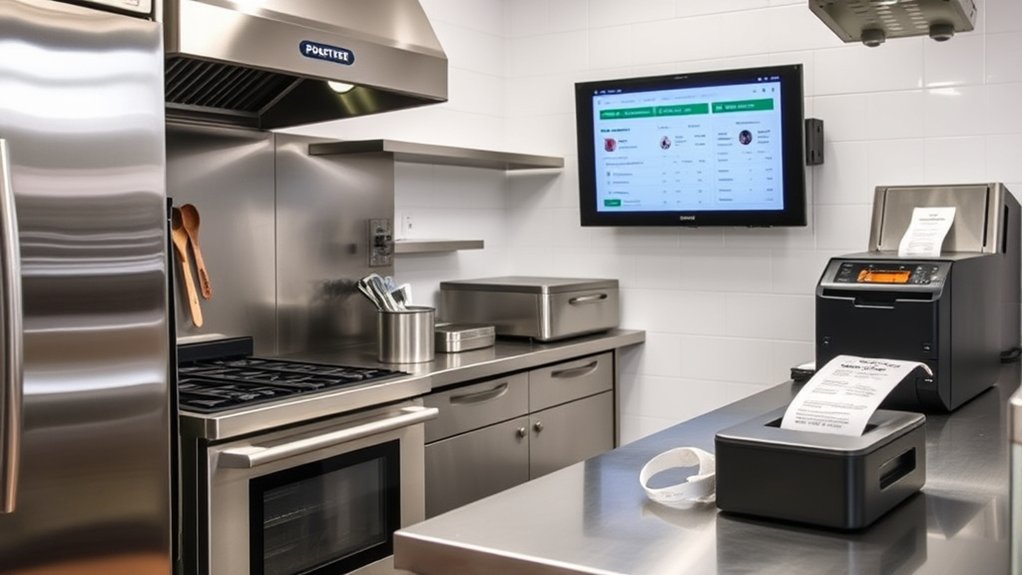
Once you’ve locked in a location, it’s time to outfit the kitchen so your team can cook quickly, stay organized, and handle delivery orders without bottlenecks.
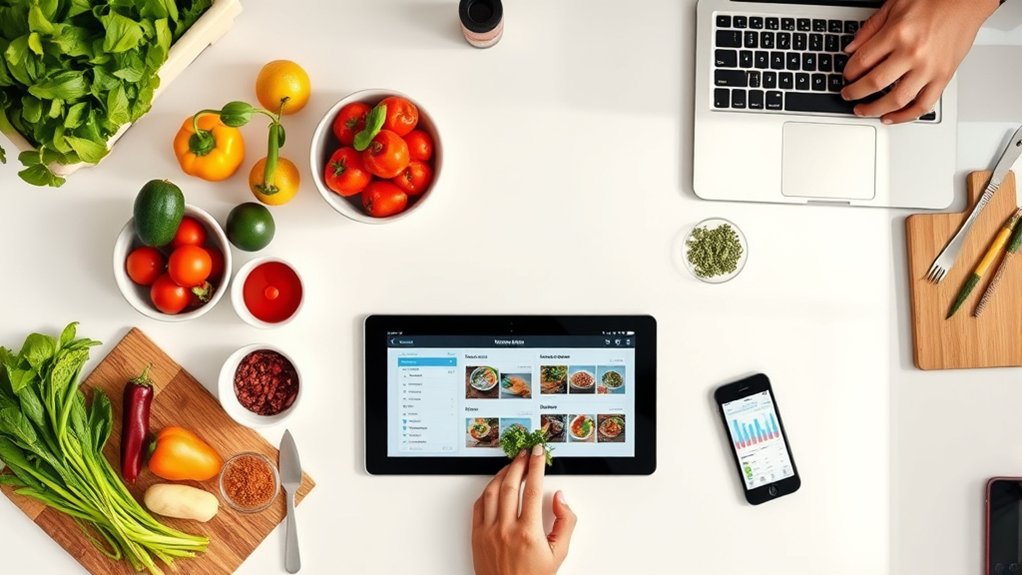
Start with reliable cooking gear, refrigeration, prep tables, shelving, and dishwashing tools that match your menu volume and workflow. Add POS software, tablets, printers, and order-management systems so you can track incoming tickets, reduce mistakes, and keep your team synced.
Set up strong Wi-Fi, clear charging stations, and labeled storage to cut downtime. Prioritize kitchen cleanliness by choosing surfaces that wipe down easily and by placing sanitizer, towels, and waste bins within reach.
Then build a simple maintenance schedule for filters, seals, and equipment checks so surprises don’t slow service. Finally, invest in staff training so everyone knows how to use the tech, follow safety steps, and move efficiently during busy rushes.
Create a Delivery-Ready Menu
A ghost kitchen menu has to work hard in transit, so focus on dishes that travel well, hold their texture, and arrive looking appetizing. Build a tight lineup with items that stay crisp, saucy, or sealed without losing quality.
Design ghost kitchen menus around dishes that travel well, stay textured, and still arrive looking appetizing.
You’ll do better with bowls, grain plates, tacos, pasta, and hearty sandwiches than with delicate fried foods or fragile garnishes. Use menu customization to offer protein swaps, spice levels, and add-ons that boost order value without complicating prep.
Keep each recipe streamlined so your team can cook fast and consistently during rushes. Ingredient sourcing matters too, because reliable suppliers help you maintain flavor, portion control, and margins.
Choose ingredients that share prep components across dishes, which cuts waste and simplifies inventory. Test every item in a real delivery bag, then adjust packaging, seasoning, and portions until each order arrives hot, intact, and ready to sell again through repeat customers.
Get Your Licenses, Permits, and Insurance
Before you open your ghost kitchen, you’ll need to secure the licenses, permits, and insurance required in your city and state. Start with your business license, food service permit, and employer identification number, then confirm any zoning or home occupation rules that apply.
Next, register with your health department and schedule inspections so you can meet food safety standards from day one. Keep every document current, because licensing compliance protects you from fines, shutdowns, and costly delays.
- Verify local, state, and county requirements.
- File all applications and renewals on time.
- Carry general liability and workers’ compensation insurance.
You should also ask your insurer about product liability coverage, especially if you plan to serve multiple menus from one kitchen. Store permits where you can access them quickly, and review expiration dates monthly.
When you stay organized, you build trust with regulators and create a stable foundation for growth.
Set Up Ordering, Delivery, and Packaging
With your permits and insurance in place, you can turn to the systems that bring in orders and get food to customers fast. Choose an ordering setup that fits your workflow, whether you use your own website, a third-party marketplace, or both.
Make the menu simple, accurate, and easy to update so customers see what you can produce consistently. Next, map out delivery logistics by defining service zones, pickup timing, and handoff procedures. If you rely on drivers, set clear instructions for routing, order checks, and temperature control.
Then select packaging materials that protect food, preserve quality, and reflect your brand. Use containers that seal well, resist leaks, and keep hot and cold items separate. Add labels for item names, allergens, and special notes so fulfillment stays organized.
Test each order path from checkout to drop-off, and fix weak points before volume grows. When your ordering, delivery, and packaging systems work together, you’ll cut errors and keep customers satisfied.
Launch and Promote Your Ghost Kitchen
When you launch your ghost kitchen, start with a clear plan. Set expectations for order times and the customer experience. Then spread the word through social media, local ads, and food apps to build early demand. As orders come in, fine-tune your delivery area to reach customers you can serve quickly and profitably.
Launch Strategy Essentials
Your launch strategy should do two things at once: drive early orders and build enough momentum to keep customers coming back. Begin with a soft launch, so you can test timing, packaging, and menu flow before a full push.
Train your team to handle rushes, answer questions, and fix issues fast. Use customer feedback from those first orders to tighten recipes and service. Then structure your opening around three priorities:
- Set a clear launch date and limited menu.
- Offer a simple opening incentive to spark trial.
- Review daily results and adjust quickly.
When you stay disciplined, you create a smoother rollout, fewer mistakes, and a stronger first impression that helps your ghost kitchen gain traction fast.
Digital Promotion Channels
Digital promotion gives you the fastest way to get noticed, test demand, and turn first-time buyers into repeat customers. You should build a clear brand voice and post appetizing photos, short videos, and launch offers on social media.
Keep your menu, ordering link, and hours easy to find in every profile. Use influencer marketing to spark trust by sending sample meals to local creators whose audiences match your ideal customers.
Ask them to share honest reviews, behind-the-scenes clips, and ordering reminders. Run paid ads with a tight budget, then track clicks, saves, and orders so you can refine your message quickly.
Reply to comments and messages fast, because your response time can drive conversion and loyalty from the start.
Delivery Area Optimization
Next, narrow your delivery area to the neighborhoods most likely to order often and spend well. You’ll boost sales by balancing reach with speed, so map zones where your food arrives hot and on time.
Track order density, average ticket size, and repeat purchases to guide your radius. Use this simple process:
- Review Delivery logistics to identify routes that stay efficient during peak hours.
- Test small zones first, then expand only where Customer feedback stays strong.
- Adjust pricing or minimums when longer trips cut into margins.
You should also watch competitor coverage and local events, since both can shift demand quickly. Keep refining your map as customer patterns change, and you’ll protect quality while improving profit.
Frequently Asked Questions
What Is a Ghost Kitchen Business Model?
A ghost kitchen business model lets you prepare food for delivery only, without a dining room. You run it from a shared or private kitchen, and you sell through apps or your own site. Ghost kitchen history shows it grew with takeout demand, while virtual restaurant trends keep pushing low-overhead brands. You can test menus fast, reach more customers, and cut front-of-house costs while staying flexible.
How Much Startup Capital Is Typically Needed?
You’ll typically need about $30,000 to $150,000 in startup capital, depending on your location, equipment, and lease terms. You can lower costs by choosing a shared kitchen and focusing on menu diversification that uses similar ingredients.
You should also budget for licenses, delivery app fees, packaging, and staff training. If you plan carefully, you’ll launch leaner and avoid cash flow surprises while building demand quickly.
How Long Does It Take to Become Profitable?
You’ll usually become profitable in 6 to 18 months, depending on your concept, pricing, and order volume. Your profitability timeline speeds up when you control food costs, keep labor lean, and market aggressively.
Watch revenue milestones closely: break-even, then steady weekly growth, then consistent monthly profit. If you open with strong demand and tight operations, you can reach profitability faster than expected.
What Are Common Mistakes New Ghost Kitchens Make?
You often make mistakes by overcomplicating your menu, ignoring menu customization, and skipping staff training. You can also underprice dishes, which hurts margins, or overprice them, which drives away orders.
If you don’t track delivery times and customer feedback, you’ll miss problems fast. You should also avoid weak branding and poor platform photos, since customers judge you online first. Focus on consistency, speed, and simple operations from day one.
Can One Ghost Kitchen Run Multiple Food Brands?
Yes, you can run multiple food brands from one ghost kitchen, and that’s often a smart move. With a single space, you can diversify your menu, test different concepts, and reach more customers.
But you’ll need tight staff management, clear prep systems, and separate branding so orders don’t get mixed up. If you keep workflows organized, you can scale efficiently without losing quality or confusing your kitchen team.
Conclusion
You’ve built the blueprint, and now it’s time to step into the kitchen where your idea can become real. Like a quiet stage before the curtain rises, your ghost kitchen is ready to serve hungry customers without the fanfare.
Trust your plan, fine-tune your systems, and launch with confidence. With every order, you’ll prove that your ghost kitchen can create something memorable, profitable, and built to last.